
15 Best Graphic Design Books in 2026 — From Beginner to Pro
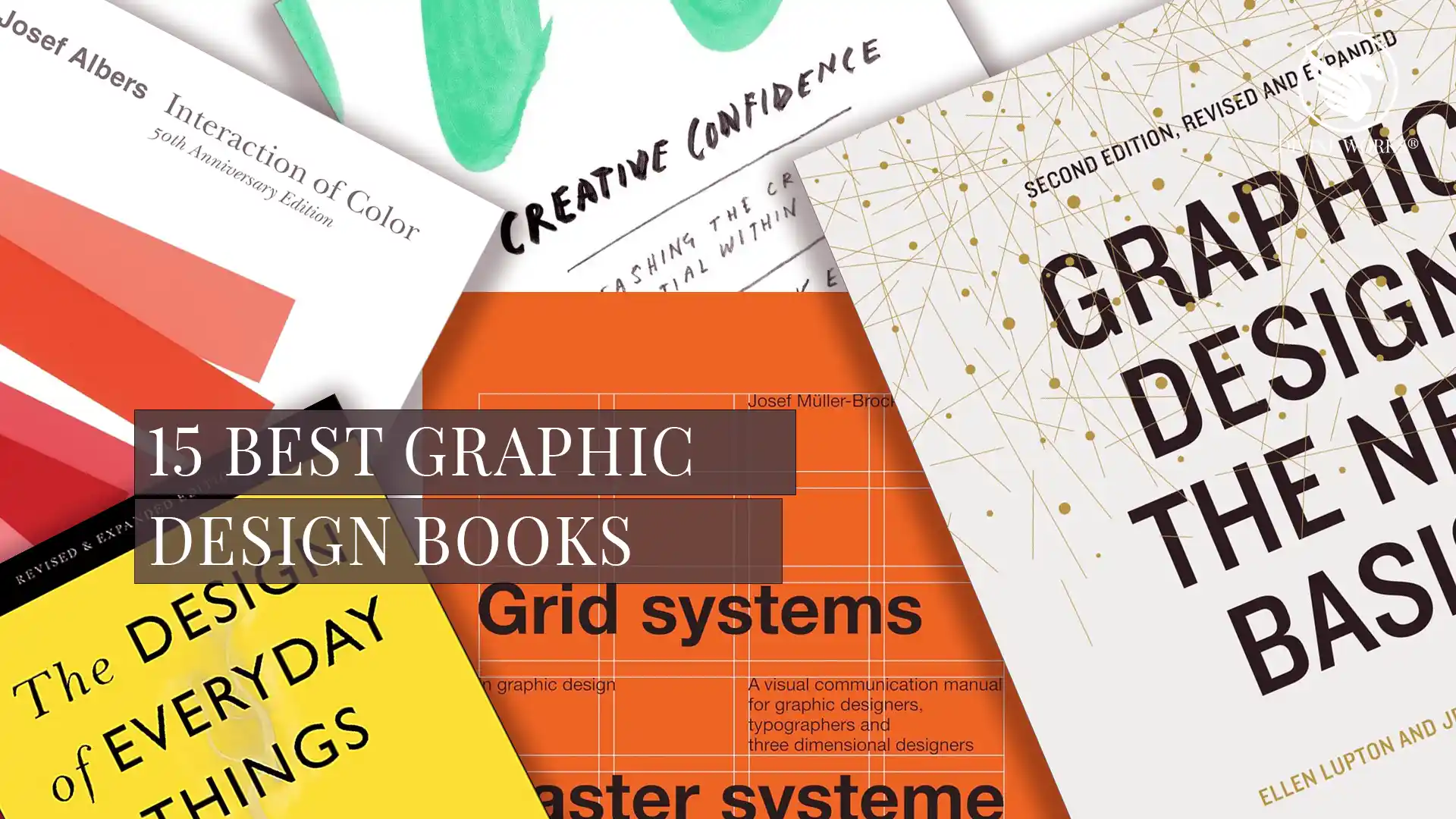
The best graphic design books in 2026 still do something that no YouTube tutorial or online course can fully replicate — they explain the reasoning behind design decisions, not just the steps. As a result, designers who read foundational books consistently produce better work than those who only watch tutorials. In fact, the principles in the books below have not changed since the day they were written. They apply to every piece of design you will ever create. Furthermore, they apply whether you use Canva, Illustrator, Photoshop, or any tool that comes next. This guide covers 15 essential picks across five disciplines: design fundamentals, typography, color theory, layout and grid, and branding. Together, they form the most practical graphic design library you can build in 2026.
| # | Book | Author | Level | Category |
|---|---|---|---|---|
| 1 | The Non-Designer’s Design Book | Robin Williams | Beginner | Fundamentals |
| 2 | Steal Like an Artist | Austin Kleon | Beginner | Creative Mindset |
| 3 | The Brand Gap | Marty Neumeier | Beginner–Int. | Brand Strategy |
| 4 | Thinking with Type | Ellen Lupton | Beginner–Int. | Typography |
| 5 | Stop Stealing Sheep | Erik Spiekermann | Intermediate | Typography |
| 6 | Elements of Typographic Style | Robert Bringhurst | Advanced | Typography |
| 7 | Interaction of Color | Josef Albers | All Levels | Color Theory |
| 8 | Color and Light | James Gurney | Beginner–Int. | Color Theory |
| 9 | Grid Systems in Graphic Design | J. Müller-Brockmann | Intermediate | Layout & Grid |
| 10 | Making and Breaking the Grid | Timothy Samara | Intermediate | Layout & Grid |
| 11 | Logo Design Love | David Airey | Intermediate | Branding & Logo |
| 12 | Designing Brand Identity | Alina Wheeler | Int.–Advanced | Branding & Logo |
| 13 | The Design of Everyday Things | Don Norman | All Levels | Design Thinking |
| 14 | Creative Confidence | Tom & David Kelley | All Levels | Creative Mindset |
| 15 | Graphic Design: The New Basics | Ellen Lupton | Beginner–Int. | Fundamentals |
Why Graphic Design Books Still Matter in 2026
In an era of AI tools and short-form tutorials, graphic design books might seem outdated. In fact, the opposite is true. Online tutorials teach you how to use tools — they show you which button to click and which setting to change. Books, however, teach you why design works. They explain the principles of visual hierarchy, typographic rhythm, spatial balance, and color relationships that make a piece of design succeed at a deep level. Furthermore, those principles do not change when software updates. Therefore, investing in the right graphic design books in 2026 pays dividends for the rest of your career, not just until the next tutorial is posted.
Moreover, the most respected designers in the world consistently credit books as the foundation of their education. This is true whether they studied formally or are entirely self-taught. A designer who understands why contrast works will make better decisions in every software they ever use. One who only knows how to use Canva is stuck the moment Canva changes its interface.
Best Graphic Design Books for Beginners (2026)
These three books require no design background. They are written in plain language, richly illustrated, and built to give you a genuine understanding of design principles from day one. Start here if you are new to graphic design or largely self-taught.
The Non-Designer’s Design Book — Robin Williams
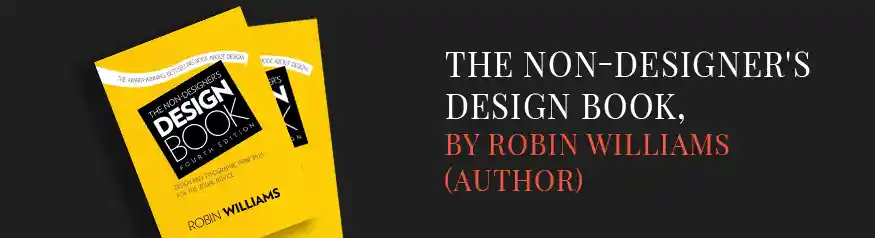
This is the single most recommended graphic design book for beginners — and with good reason. Robin Williams breaks down the four core design principles (Contrast, Repetition, Alignment, and Proximity) in a way that is immediately understandable and immediately applicable. In fact, most designers who read it say it changed how they look at every piece of design they have ever seen. Specifically, the book is built around before-and-after examples that show exactly how applying each principle transforms a weak layout into a strong one. Furthermore, no software knowledge is required — it is pure design thinking. As a result, it works equally well for Etsy sellers building a shop brand, digital artists designing product covers, and professional designers levelling up their fundamentals.
- The four core design principles explained with visual examples
- Typography fundamentals — font choice, spacing, and pairing
- Before-and-after examples on every principle
- How to identify and fix common design mistakes immediately
Steal Like an Artist — Austin Kleon
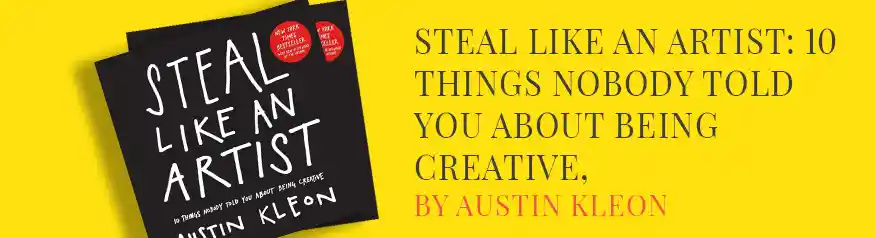
Every designer eventually hits the question: where do original ideas actually come from? Steal Like an Artist answers it clearly and practically. Kleon argues that all creative work builds on what came before — and teaches you how to absorb influences, remix them honestly, and develop a voice that feels genuinely your own. This book is short enough to read in one sitting, illustrated throughout, and immediately energising. Consequently, it is perfect for any designer or creative who feels stuck, uninspired, or unsure how to develop a recognisable style. It is especially useful for Etsy sellers and digital artists who need to build a consistent brand identity across products. First, read it. After that, you will look at every piece of work you admire differently.
- 10 principles for building a creative practice from scratch
- How to find, develop, and own your creative voice
- The right way to study and learn from designers you admire
- Why originality is about transformation, not invention
The Brand Gap — Marty Neumeier
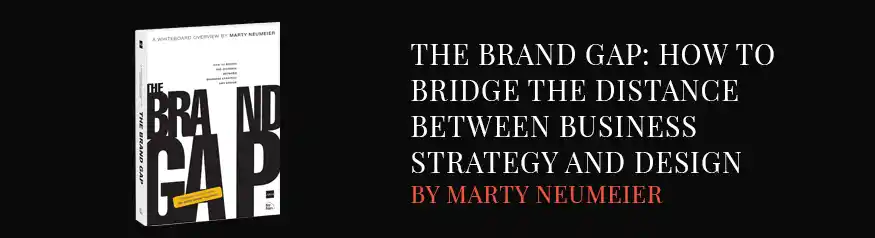
The Brand Gap is the shortest book on this list and one of the most powerful. Neumeier explains the gap between business strategy and design — and specifically how great brands bridge it. At just over 190 pages in a magazine format, it reads in two hours. However, the ideas stay with you for years. In fact, it reframes how you think about what design is actually for. Specifically, Neumeier defines a brand not as a logo or a colour palette, but as a gut feeling — what other people say about you when you are not in the room. This shift in thinking changes how every designer approaches a brief. Furthermore, it is written in clear, jargon-free language that makes it equally accessible to design students and experienced creatives.
- The five disciplines of brand-building explained simply
- Why design and strategy must work together
- How to define a brand position that is genuinely differentiating
- The difference between a logo and a brand — and why it matters
Best Graphic Design Books for Typography (2026)
Typography is the skill that separates competent designers from exceptional ones. You can have perfect layout, great colour sense, and strong imagery — but if your type is wrong, the whole piece falls apart. These three graphic design books cover the full spectrum of typographic knowledge, from accessible foundations to the most comprehensive reference ever written on the subject.
Thinking with Type — Ellen Lupton
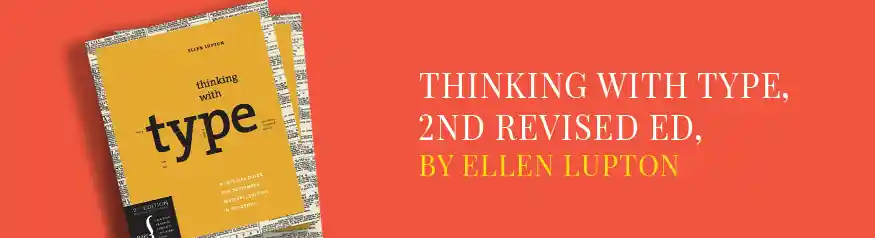
Thinking with Type is the typography book that design schools assign worldwide — and the one working designers keep on their desks for reference. It covers letterforms, text composition, and grid systems with rich visual examples on every page. Additionally, it explains not just what the rules of typography are, but why they exist. This means you can apply them intelligently rather than mechanically. Specifically, Lupton organises the book around three core elements: the letter, the text, and the grid. Each section builds on the last. Furthermore, the visual examples come from real design work across print, screen, and environmental contexts. As a result, it feels immediately relevant no matter what type of graphic design you do. This is the typography book to read before any other.
- Letter, text, and grid — the three pillars of typography
- Font selection, pairing, and visual hierarchy
- Spacing: tracking, kerning, and leading explained clearly
- Grid-based layout systems for print and screen
Stop Stealing Sheep & Find Out How Type Works — Erik Spiekermann
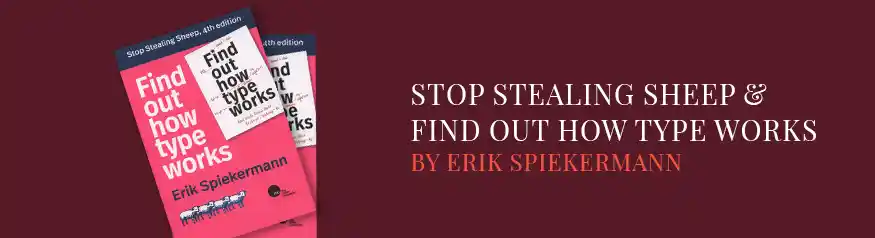
Erik Spiekermann is one of the most respected type designers in the world, and this book carries his full authority. Stop Stealing Sheep bridges the gap between Thinking with Type and the Elements of Typographic Style — it is more technical than the former and more readable than the latter. Specifically, it focuses on how type works in real-world applications: on screen, in print, in signage, and in branding. In addition, Spiekermann covers the history of major typefaces and the decisions behind them. This context makes you a smarter font selector — you understand why certain fonts work for certain applications instead of just guessing. Therefore, this is the essential intermediate step in any typography education.
- How typefaces are designed and why specific choices matter
- Type in context — print, screen, signage, and branding
- The history and character of major font families
- Practical type-setting rules for professional output
The Elements of Typographic Style — Robert Bringhurst
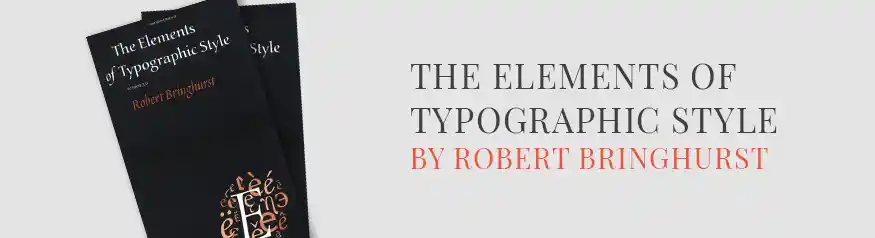
Known simply as “the typography bible,” this is the most comprehensive and authoritative reference on typography ever written. Bringhurst covers the history, theory, and practical application of type at a depth that no other book matches. While it is more technical than Thinking with Type, it is the reference every serious designer eventually reaches for when they need a definitive answer on spacing, proportion, optical alignment, or typographic convention. In short, this is the book that tells you everything typography has to teach. Specifically, it covers topics that no other typography book touches — including the historical development of individual letterforms, the mathematics of proportion, and the ethics of typographic practice. Moreover, every professional designer eventually owns it.
- The definitive reference on typography theory and history
- Advanced spacing: optical alignment, proportion, and rhythm
- The historical context behind every major typographic convention
- A complete reference for professional typesetting decisions
Best Graphic Design Books for Color Theory (2026)
Color is one of the most misunderstood areas of graphic design. Most designers pick colors by feel or by trend rather than by principle. These two books fix that. Together, they cover color theory at a practical level — from the foundational science of how colors interact to the real-world application of color in light and design.
Interaction of Color — Josef Albers
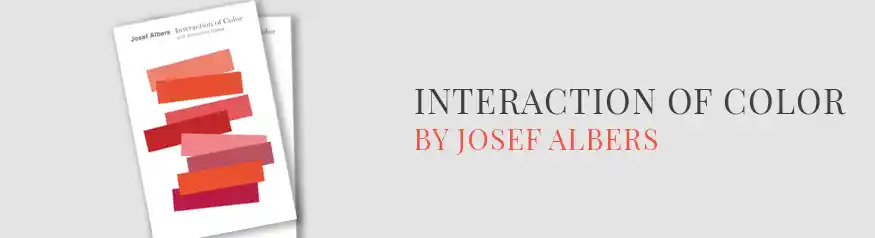
Originally published in 1963, Interaction of Color remains the most important book ever written on color perception and color theory. Josef Albers — a master teacher at Yale — built the book around a simple but profound idea: color is relative. Specifically, the same color looks different depending on what surrounds it. Through a series of visual exercises, Albers trains your eye to see these relationships rather than simply naming colors. As a result, designers who work through this book make dramatically better color decisions — not because they follow rules, but because they genuinely see how colors interact. Furthermore, the 50th Anniversary edition includes new digital plates and remains as visually striking today as when it was first published. This is required reading for any serious graphic designer in 2026.
- How color perception actually works in the human eye
- Why the same color looks different in different contexts
- Simultaneous contrast, after-image, and optical mixing
- How to train your eye to see and use color relationships
Color and Light: A Guide for the Realist Painter — James Gurney
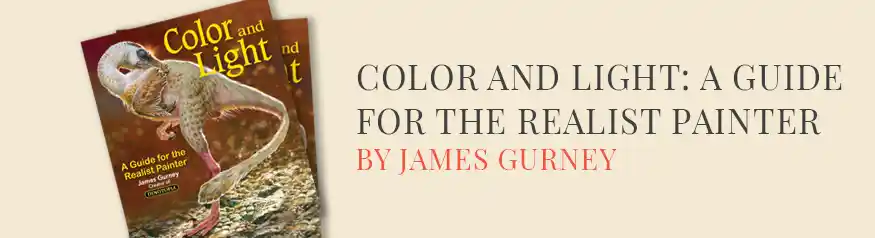
While Interaction of Color approaches color from a perceptual and academic angle, Color and Light takes a practical, visual approach that is especially useful for digital artists and illustrators. James Gurney covers how light sources, shadows, reflections, and environmental color affect everything in a scene. In fact, the book is used by concept artists, illustrators, and digital painters worldwide as their go-to color reference. Specifically, Gurney explains gamut masking — a technique for building unified, professional color schemes that avoid the muddy, oversaturated results that trip up most beginners. Furthermore, every concept is illustrated with stunning original paintings. As a result, it is both a teaching tool and an inspiration source. For Etsy sellers and digital artists building visual product ranges, this book transforms how you approach color across an entire collection.
- How different light sources change the colors in a scene
- Gamut masking — building unified, professional color schemes
- Shadow color, reflected light, and ambient occlusion
- How to create visual harmony across multiple pieces
Best Graphic Design Books for Layout and Grid (2026)
Layout is where design principles become visible. Specifically, the grid is the invisible structure that organises everything on the page — and understanding it separates designers who produce professional layouts from those who arrange elements by guesswork. These two books are the most respected references on grid-based design ever published.
Grid Systems in Graphic Design — Josef Müller-Brockmann
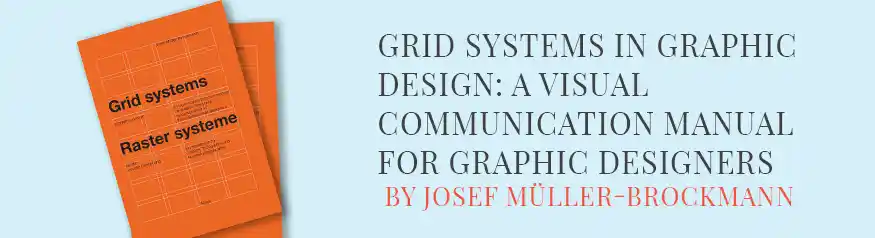
Grid Systems in Graphic Design is the foundational text on the use of mathematical grids in visual design, and it has been in continuous print since 1981. Müller-Brockmann was one of the pioneers of the Swiss International Style — the movement that established systematic grid-based layouts as the gold standard of professional design. Specifically, this book covers 8, 16, and 32-field grid systems for both text and image design, with detailed diagrams showing exactly how to construct and apply each system. Furthermore, it is bilingual (German and English), and the diagrams are so precise and detailed that the written instructions are almost secondary. As a result, it belongs on the shelf of any designer who works on print layouts, editorial design, or structured visual communication.
- How to construct 8, 16, and 32-field grid systems from scratch
- Applying grids to both text-heavy and image-led layouts
- The mathematical principles behind proportional design
- Swiss International Style principles in practical application
Making and Breaking the Grid — Timothy Samara
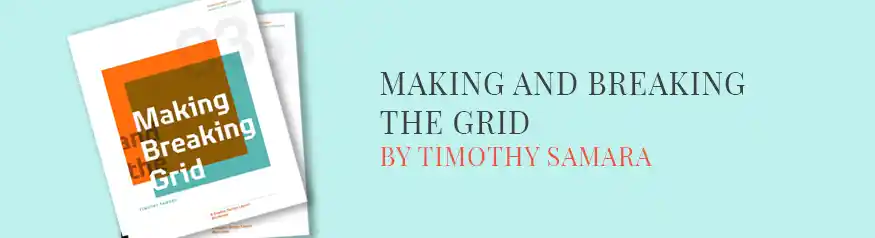
Where Müller-Brockmann shows you how to use grids, Timothy Samara shows you both how to use them and — equally importantly — when and how to break them. Making and Breaking the Grid covers grid-based design in the first half and non-grid, deconstructed, and expressive layout approaches in the second. This makes it the more complete layout education. Furthermore, the book is visually spectacular — filled with examples from typography, poster design, editorial, packaging, and screen design. Specifically, each example is annotated to show exactly how the layout decision was made and what effect it achieves. As a result, it trains your eye to analyse layout at a professional level, not just follow rules. This is the book to read after Müller-Brockmann — or as a standalone if you want grid and non-grid together in one volume.
- Grid construction and application across multiple design formats
- Non-grid, expressive, and deconstructed layout approaches
- Annotated real-world examples from top design work
- When rules serve design and when breaking them is the right call
Find All These Books on Amazon
All 15 graphic design books are available on Amazon — most with Prime next-day delivery.
Shop Amazon →Best Graphic Design Books for Branding and Logo Design (2026)
For designers building brand identities — whether for clients, for their own Etsy shop, or for freelance work — these two books are the gold standard. Together, they cover both the practical process of designing logos and the broader strategic thinking behind a brand identity that actually works in the real world.
Logo Design Love — David Airey
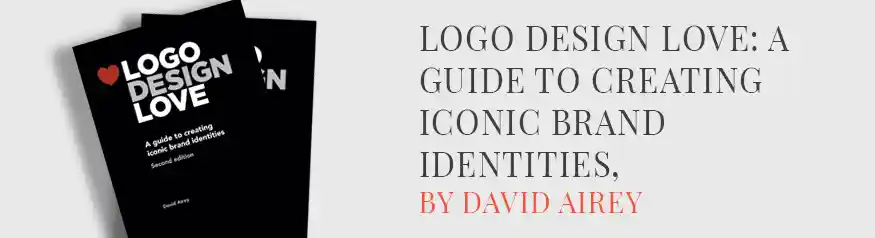
Logo Design Love is the most accessible and practical book on logo design available. Airey walks through the entire process — from initial brief and concept sketching to final delivery — using real client projects as examples throughout. Moreover, it covers the principles that make logos timeless rather than trendy, which is especially valuable for designers creating brand identities that need to work across products, packaging, and digital platforms for years. Specifically, Airey explains the difference between a logo that looks good on screen and one that works at every size and on every surface. This single lesson is worth the price of the book for any designer working with clients. Furthermore, the writing is clear and the case studies are genuinely interesting — unlike many design textbooks that use made-up examples.
- Full logo design process from brief to final client delivery
- Real client projects with design decisions explained
- What makes a logo timeless rather than quickly dated
- Practical advice on presenting work and managing client feedback
Designing Brand Identity — Alina Wheeler
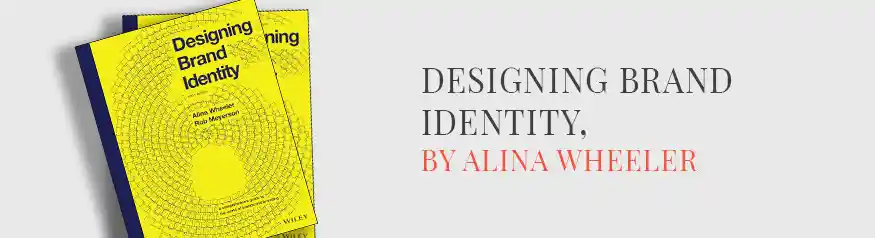
Designing Brand Identity is the most comprehensive guide to the full brand identity process ever published. It covers brand strategy, visual identity systems, naming, messaging, and implementation across every touchpoint. Furthermore, it includes over 100 case studies from major global brands, making it both a reference guide and an inspiration source you will return to throughout your career. Specifically, this book is what branding agencies use internally as their process bible — it defines how professional brand work is structured from start to finish. Therefore, if you take on brand identity clients, this is the one book that replaces years of learning by trial and error. Moreover, the 5th edition has been thoroughly updated to cover digital identity, social media, and modern brand applications that the earlier editions could not anticipate.
- Complete brand identity process from strategy to launch
- 100+ case studies from globally recognised brands
- Visual identity systems covering colour, type, and naming
- Digital identity: social, screen, and interactive applications
Best Graphic Design Books for Creative Thinking and Design Strategy (2026)
The following three books are not strictly about visual design — they are about how designers think, solve problems, and build creative practices. In fact, many working designers credit these books with the biggest shifts in how they approach their work. These belong on every designer’s shelf regardless of their specialty.
The Design of Everyday Things — Don Norman
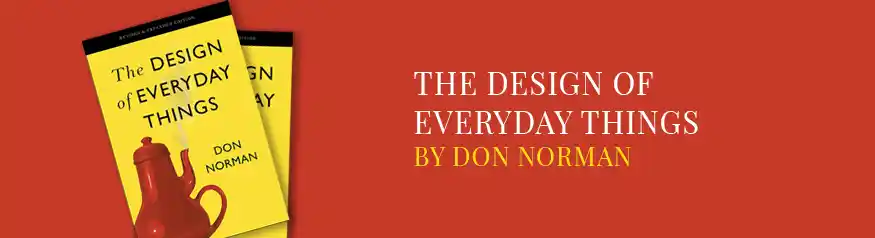
The Design of Everyday Things is the book that teaches you to see design problems everywhere. Norman — a cognitive scientist and designer — explains why badly designed objects frustrate us and why well-designed ones feel intuitive without us noticing them. Specifically, he introduces the concepts of affordances, feedback, and mental models that are now foundational to product design and UX. However, the principles apply equally to graphic design. In other words, every time you design a page layout, a button, or a navigation system, you are making decisions about how users will understand and interact with it. This book gives you the framework to make those decisions deliberately. Furthermore, it is written in an engaging, story-driven style that makes complex ideas immediately clear. As a result, it is one of the most widely read design books ever published.
- Affordances, signifiers, feedback, and mental models
- Why good design goes unnoticed — and why that is the goal
- How to design for human error rather than against it
- The principles of user-centred design applied to any medium
Creative Confidence — Tom & David Kelley
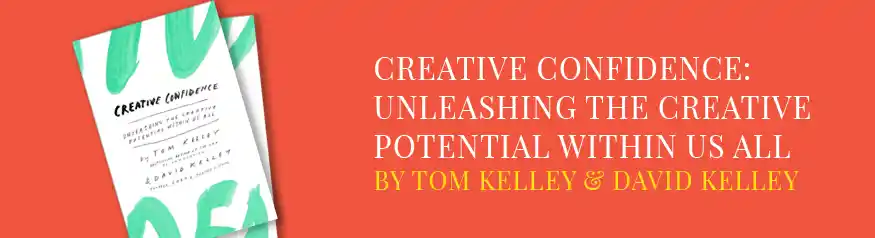
Tom and David Kelley are the founders of IDEO — the design firm behind the first Apple mouse and hundreds of iconic product designs. Creative Confidence is their argument that creativity is not a talent you are born with but a skill you build through practice and mindset shifts. Specifically, it addresses the fear of failure and the inner critic that holds most designers back from producing their best work. Furthermore, it is built around real stories from IDEO projects, design students, and everyday professionals who unlocked their creative potential after believing they had none. As a result, this book is as useful for an Etsy seller struggling to produce consistent creative output as it is for a senior art director at a branding agency. It is the honest, practical guide to becoming consistently creative — not just occasionally inspired.
- How to overcome the fear of failure that blocks creative work
- The mindset shifts that unlock consistent creative output
- IDEO’s design thinking approach applied to everyday challenges
- How to build a creative practice that generates ideas on demand
Graphic Design: The New Basics — Ellen Lupton & Jennifer Cole Phillips
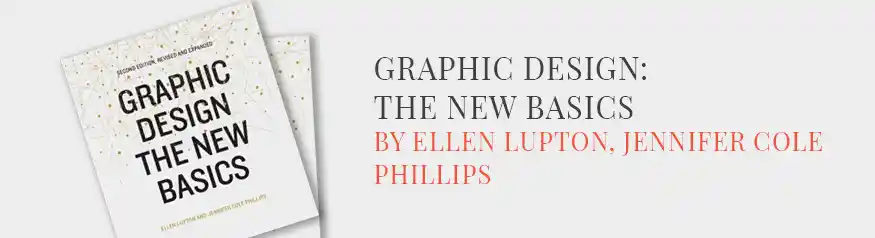
If The Non-Designer’s Design Book is the gateway drug, Graphic Design: The New Basics is the full curriculum. Lupton and Phillips cover every core element of visual design — point, line, plane, rhythm, scale, texture, color, transparency, and layering — with rigorous visual examples on every page. Specifically, each chapter builds on the last, creating a structured design education that mirrors what design schools teach in their foundational year courses. Furthermore, the book includes student projects from the Maryland Institute College of Art, which makes the principles feel immediately achievable rather than abstract. Therefore, this is the book to read alongside a first design course, or as a self-directed design education when a formal course is not available. In short, it is one of the most thorough introductions to visual language available in book form.
- Point, line, plane, rhythm, scale — the elements of visual language
- Color, texture, transparency, and layering for graphic design
- Student project examples showing principles in practice
- A structured progression from fundamentals to advanced concepts
Which Graphic Design Books Should You Read First in 2026?
The right starting point depends entirely on where you are in your design journey. Use the reading paths below to find your sequence.
Choose Your Reading Path Below
Frequently Asked Questions About Graphic Design Books in 2026
Are graphic design books still worth buying in 2026?
Absolutely — and arguably more than ever. Online tutorials teach you how to use tools, but books teach you why design works. Designers who read foundational books consistently produce better work than those who only watch tutorials, because they understand the principles behind every decision they make. Furthermore, the books on this list are timeless — the principles they teach do not change when software updates, which means they stay relevant for your entire career.
What is the best graphic design book for a complete beginner in 2026?
The Non-Designer’s Design Book by Robin Williams is the clear answer for beginners. It is written specifically for people who have never studied design, uses plain language throughout, and teaches the four core principles (Contrast, Repetition, Alignment, Proximity) that underpin virtually every design decision you will ever make. Most designers who read it say it is the book they wish they had found on day one.
Do I need to read all 15 books to improve as a designer?
No. Reading one book thoroughly and applying what you learn is far more valuable than reading fifteen books quickly and applying nothing. Start with the book that matches your current level, work through it properly, and notice how your design decisions change. Then move to the next one. Over six to twelve months, working through five to eight of these books will give you a design education that rivals many formal programmes.
Books for Designers at Every Level
Are these books useful for Etsy sellers and digital artists, not just professional designers?
Yes — in many ways, more so. Etsy sellers and digital artists are running creative businesses, and the principles in these books apply directly to product design, shop branding, listing layouts, and marketing visuals. The Non-Designer’s Design Book will immediately improve your Etsy listing graphics. Logo Design Love is invaluable for building a recognisable brand across your shop. Color and Light will transform how you approach colour across an entire product collection.
Which graphic design books cover typography specifically?
Three books on this list focus specifically on typography. Thinking with Type by Ellen Lupton is the best starting point — it is used in design schools worldwide and covers everything from letterforms to grid systems. Stop Stealing Sheep by Erik Spiekermann is the intermediate step, covering how type works in real-world applications. The Elements of Typographic Style by Robert Bringhurst is the definitive advanced reference — the book every professional designer eventually owns.
Do I need physical copies or are e-book versions just as good?
For most of these books, physical copies are significantly better. Design books are visual — they rely on full-page spreads, colour accuracy, and the ability to flick back and forth between examples. Books like Interaction of Color, Grid Systems, and Making and Breaking the Grid lose much of their value on small e-reader screens. Furthermore, design books that live on your desk get referenced repeatedly throughout your career. They are worth the physical investment.
Final Verdict — Best Graphic Design Books to Own in 2026
The best graphic design books in 2026 are the same books that the best designers have been reading for decades — because the principles do not expire. In fact, every title on this list has remained relevant through multiple waves of software changes, design trend cycles, and industry shifts. Therefore, investing in even three or four of these books is one of the highest-return decisions you can make as a designer. Moreover, unlike courses or subscriptions, you pay once and own the knowledge permanently. Additionally, all 15 books are available on Amazon with fast delivery, so you can have them on your desk and start reading within days. As a result, there is no reason to delay. Start with the one that matches where you are right now, and build from there.
Get Your Graphic Design Books on Amazon
All 15 books available on Amazon — most eligible for free Prime delivery.
Shop on Amazon →